
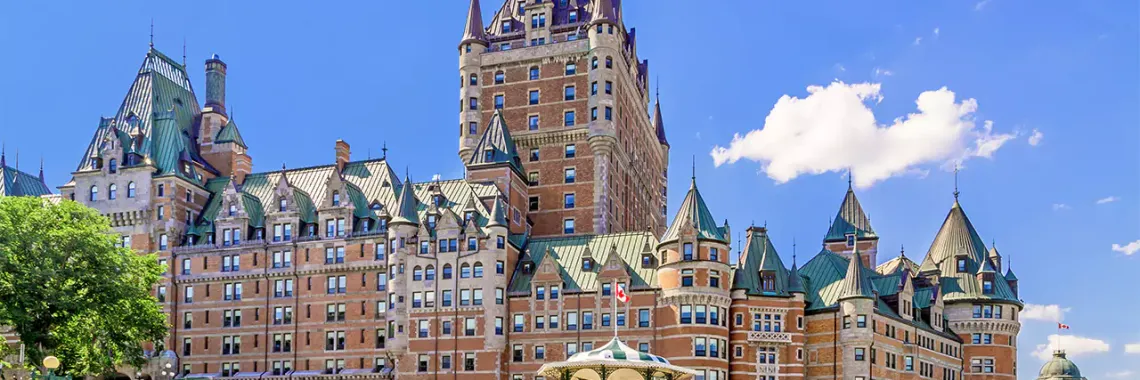
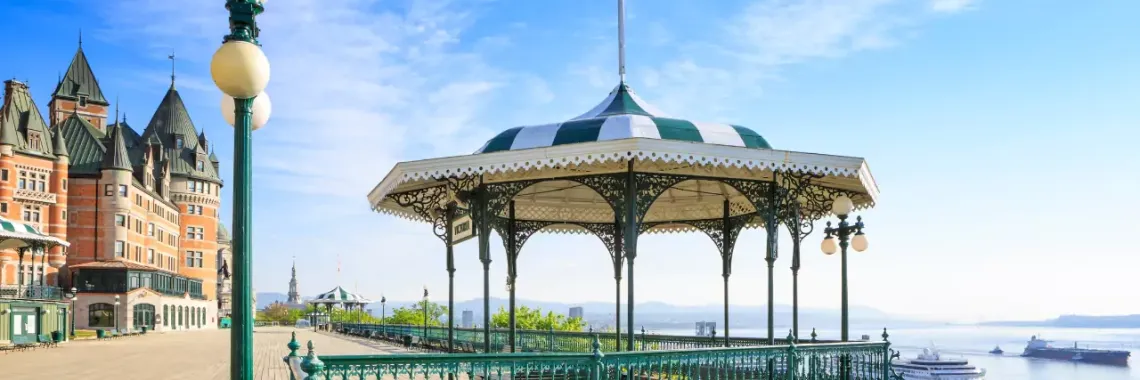
We stepped off the train in Quebec City on a Friday evening in late January: -18 C, fresh snow, and the stone houses of the Old Town glowing under the Chateau Frontenac. Ten minutes later we were in Place d'Armes, and the weekend already had its rhythm: short walks, warm cafes and no need for a car. What we did Friday: Terrasse Dufferin at dusk, then poutine and tourtiere in a small bistro near Rue Saint-Louis. Saturday: the funicular down to Petit-Champlain and Place Royale, a one-hour visit inside the Notre-Dame de Quebec basilica, and maple taffy on snow. Sunday: a morning taxi to Montmor..
Blog
27 10
25 10
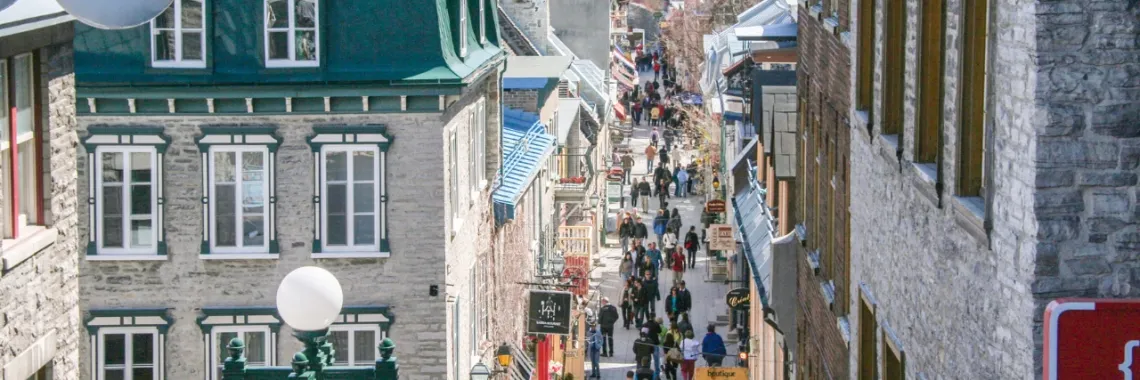
Quebec City is compact enough to see properly in two days, but only if you split upper and lower town and keep the waterfall for the second morning. This is the plan we use, with timings that held up in practice. Day 1: inside the walls, then the lower town Start at Place d'Armes and the Chateau Frontenac, walk Terrasse Dufferin and the Governors' Promenade, then the Citadelle and Porte Saint-Louis. After lunch take the funicular to Quartier Petit-Champlain, Rue du Petit-Champlain, Place Royale and the Notre-Dame de Quebec basilica, and climb back up by the Escalier Casse-Cou. Reserve dinner..
23 10
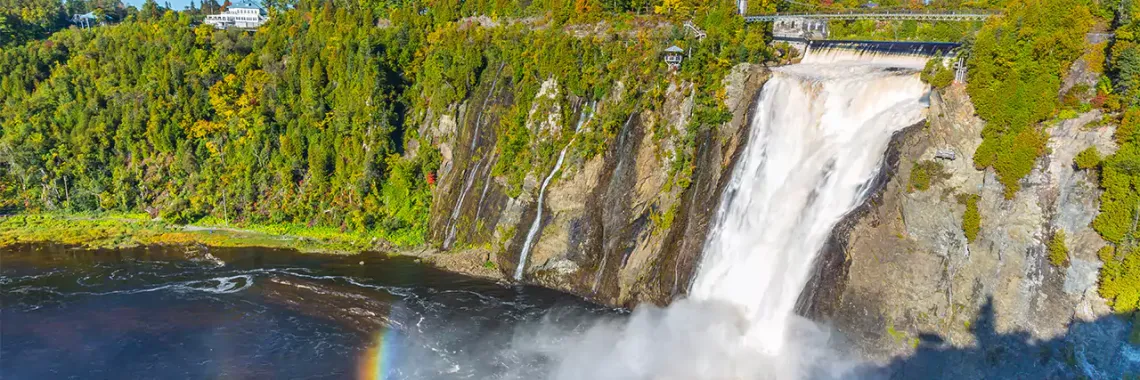
Montmorency Falls and the Ice Hotel sit on opposite sides of Quebec City, but they fit into one winter day if you start early and accept that daylight is short. We did both in about seven hours, including lunch. Morning: the falls The falls drop 83 metres, one and a half times the height of Niagara, and in January the spray freezes into a white cone at the base. The cable car runs year round and takes you to the top, where the suspension bridge gives the classic view back towards the river. Allow 60 to 90 minutes. In summer there is a zip line and via ferrata; in winter the stairs and lower ..
21 10
Old Quebec is small enough to eat your way across in an afternoon, and in winter the walking between stops doubles as a way to stay warm. We spent about five hours and 60 Canadian dollars per person, including coffee stops. The route, in order Start with a croissant and coffee near Rue Saint-Jean, then walk to a fromagerie for cheese curds, the base of any good poutine. Lunch is poutine or a tourtiere plate in a bistro; the classic version uses fresh curds that squeak, dark gravy and double-fried fries. In the afternoon, work through the chocolate and fudge shops on Rue du Petit-Champlain an..
19 10
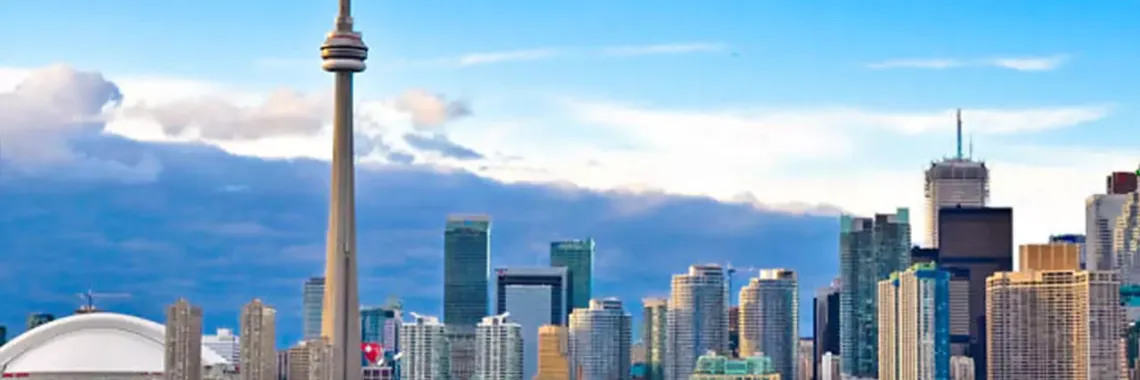
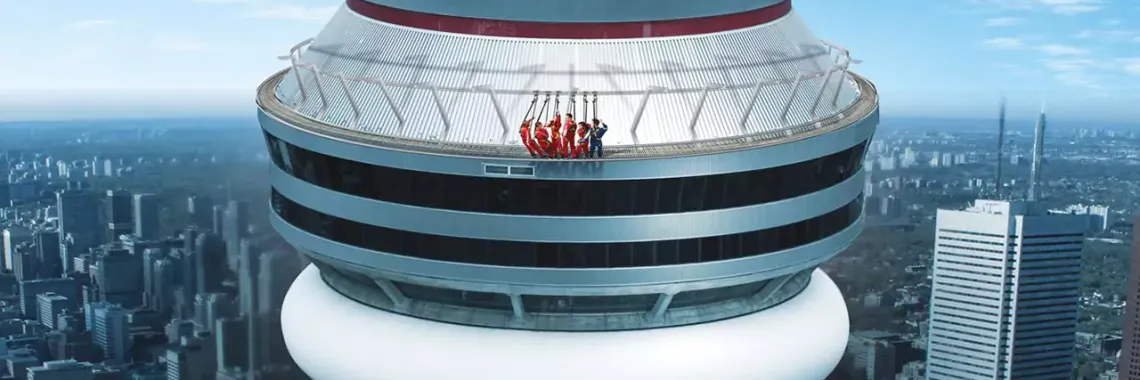
Toronto looks spread out on the map, but the parts a visitor actually wants are connected by a short subway ride and a lot of walking. Two days is enough for the centre, one neighbourhood and the harbour, as long as you do not try to add Niagara on the same day. Day 1: downtown and the lake Start at Nathan Phillips Square and City Hall, walk to the CN Tower and Ripley's Aquarium, then down to the Harbourfront for the ferry to the Toronto Islands. In summer the islands are the best skyline view in the city; in winter the ferries still run but check the schedule. Finish with dinner in the Dist..
17 10
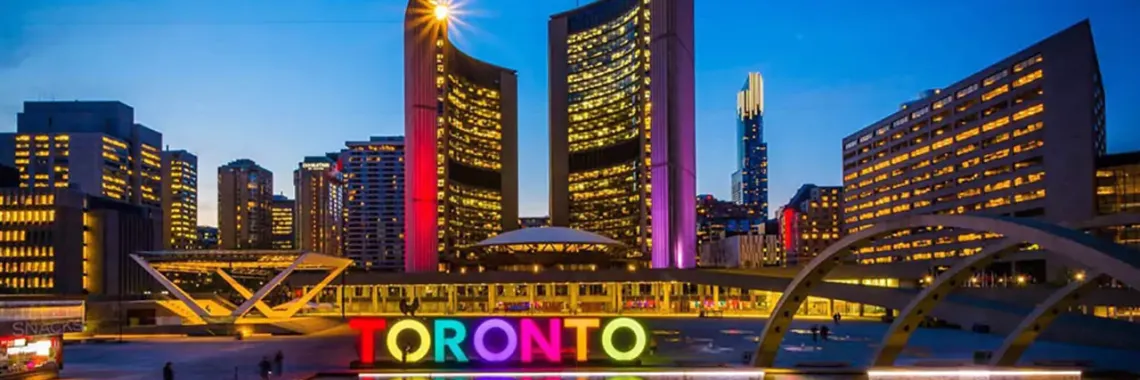
Toronto's most photographed landmarks are within two kilometres of each other, which makes a half-day photo walk easy to plan around the light. We started at City Hall at sunrise and finished in the Distillery District after dark. Nathan Phillips Square at first light The reflecting pool in front of City Hall gives you the curved towers and, in winter, an outdoor ice rink with skaters as foreground. Go before 8:00 for empty pavement. From there, walk south on University Avenue: the CN Tower lines up behind the office towers and appears and disappears as you cross each intersection. The towe..
15 10
Toronto and Niagara Falls are 130 kilometres apart, which is 90 minutes on a good day and two and a half hours on a bad one. Doing both in two days works if you put the city first and the falls second, so the drive back does not sit in rush hour. Day 1: Toronto Use the first day for the centre: Nathan Phillips Square, the CN Tower, the harbour and the Distillery District. Book the tower for late afternoon so you get sunset from the top. Sleep in Toronto rather than driving out at night; hotels near the lake or Union Station keep the next morning simple. Day 2: Niagara, early start Leave by..
13 10
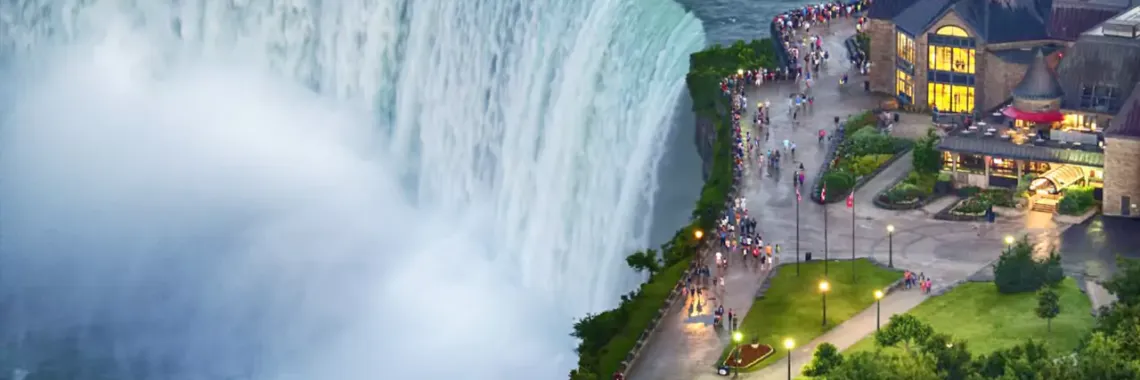
Niagara Falls is not one waterfall but three: Horseshoe Falls on the Canadian side, plus American Falls and Bridal Veil Falls across the river. The Canadian side faces the best view, which is why almost every first visit starts there. Which experience to pick The Hornblower cruise (April to November) takes you to the base of Horseshoe Falls and is the most memorable hour you can spend here, provided you accept being soaked. Journey Behind the Falls runs year round and puts you in tunnels behind the curtain, with two outdoor platforms. The Skylon Tower gives the aerial photograph; Table Rock,..

11 10
Winter is the season when Niagara Falls becomes a local place again. Hotel prices drop, the parkway empties out, and the spray freezes into a cone of ice at the base of Horseshoe Falls that can grow several storeys high. What is open Journey Behind the Falls, the Skylon Tower, Clifton Hill attractions and the casino run through winter, although hours shorten. The Hornblower boats stop in late November and restart in spring. The White Water Walk closes when the gorge paths ice over, and some of the smaller attractions simply shut until March. The Festival of Lights From mid-November to earl..

09 10
Standing in Times Square on December 31 is one of those things people do once. It is crowded, cold and logistically awkward, but the countdown itself is genuine. This is what the evening actually involves, so you can decide whether it is for you. How the night works Access to the viewing pens opens in the afternoon and closes once they are full, often by early evening. Security checkpoints mean no large bags, no alcohol and no glass. Once you are inside a pen you cannot leave and come back, and there are no public toilets, so people arrive late in the day and simply stand. The ball drops at ..

07 10
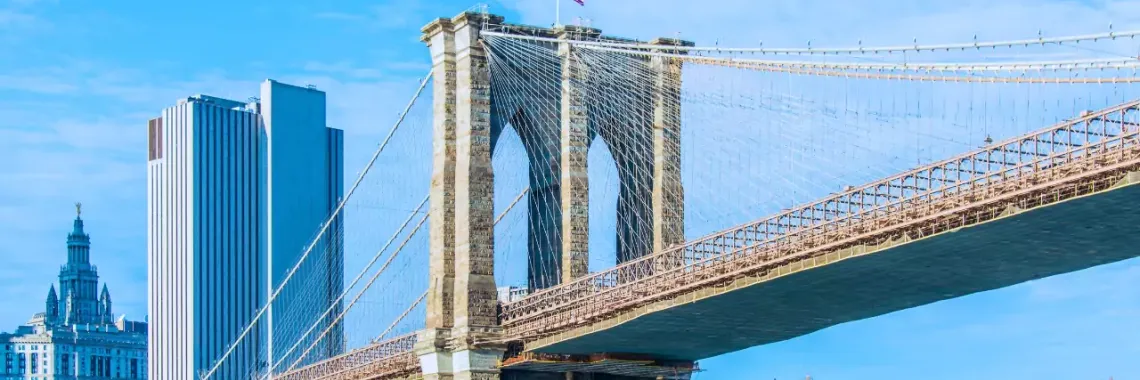
Three days is the shortest trip that still feels like New York rather than a photo stop. The plan below splits the city into downtown, midtown and uptown, so you spend your time walking instead of riding the subway end to end. Day 1: Lower Manhattan and the harbour Book the first Statue of Liberty ferry of the morning from Battery Park; the security queue is the slowest part of the day. Back on land, walk to the 9/11 Memorial, Wall Street and the Charging Bull, then across the Brooklyn Bridge in the late afternoon for the skyline from the other side. Dinner in DUMBO or Brooklyn Heights. Day..
05 10
The fastest way to like New York is to stop moving between landmarks and spend a day in three or four neighbourhoods on foot. This route covers about nine kilometres and works in any season. Morning: the bridge Walk the Brooklyn Bridge from the Manhattan side before 8:00, when the pedestrian lane is still usable; later in the day it becomes a slow-moving queue. The crossing takes 30 to 40 minutes. On the Brooklyn side, go down to DUMBO for the Manhattan Bridge frame and the Brooklyn Heights Promenade, then take the subway back. Afternoon: SoHo and the Village Start at Prince Street and Bro..
03 10
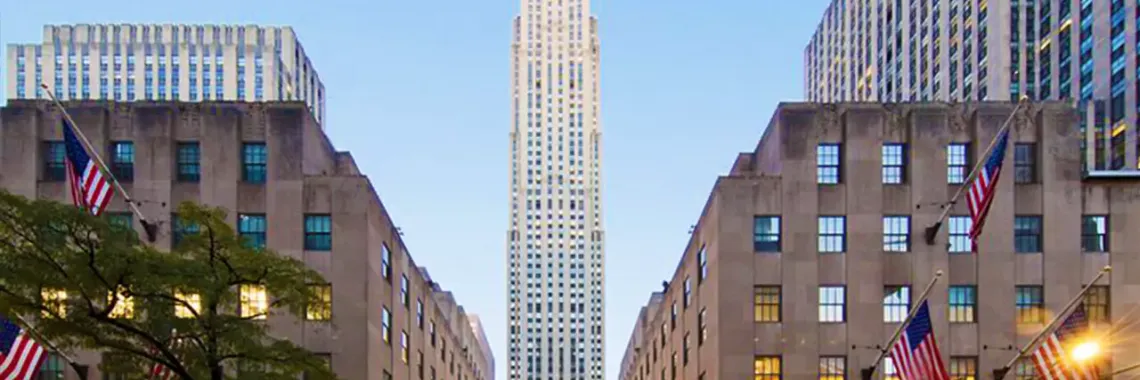
New York now has five major observation decks, and they are not interchangeable: the view depends entirely on which landmark you can see, or rather which one you cannot. Here is the short version we give friends. Top of the Rock, best first choice From the Rockefeller Center you see the Empire State Building on one side and Central Park on the other, which is why it photographs better than the building it looks at. Go 30 minutes before sunset and stay for the lights. The open-air upper deck has glass panels that make photography easy. The others, in one line each Empire State Building: the..
01 10
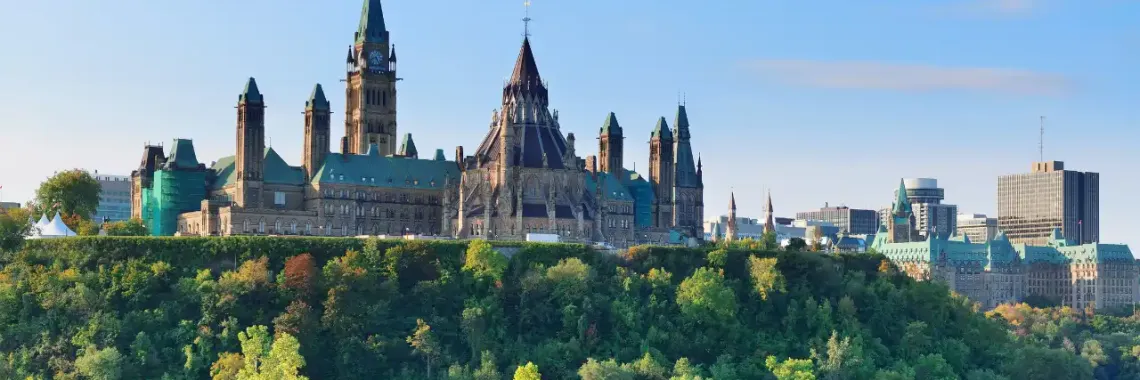
Ottawa is the quietest capital in the G7, which is its advantage: one day on foot covers Parliament Hill, the market and the canal without a single taxi. Start early, because the Hill is best before the tour buses arrive. Morning: Parliament Hill The Peace Tower tour and the changing of the guard (summer mornings) are free, but you need a timed ticket from the visitor centre. Walk the grounds for the river views, then cross to the Canadian Museum of History in Gatineau over the Alexandra Bridge; the building's Grand Hall is worth the twenty-minute walk alone. Afternoon: ByWard Market and th..
29 09
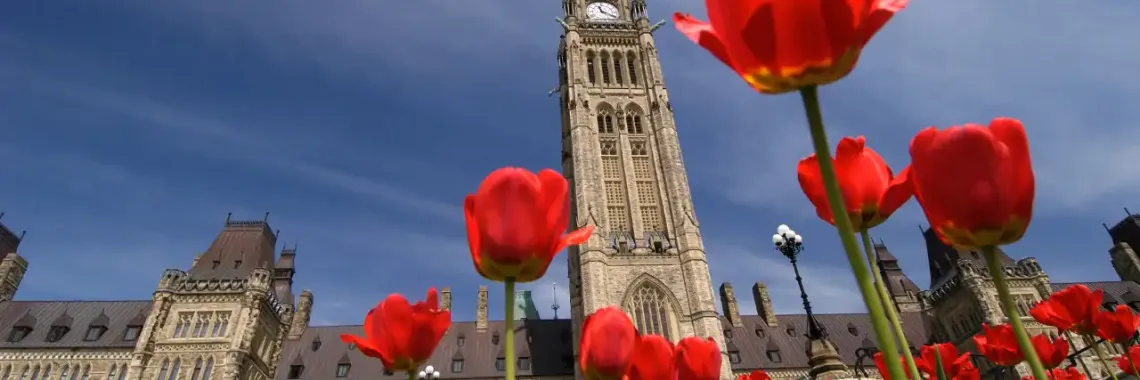
Every May, Ottawa plants more than a million tulips, a gift that started when the Dutch royal family sheltered here during the Second World War. The festival is free, spread across several sites, and much less crowded than the dates suggest if you go at the right hour. Where the tulips actually are Commissioners Park at Dow's Lake holds the largest concentration, with beds running along the water. Major's Hill Park has the postcard view with Parliament behind the flowers. The grounds of the Canadian Museum of History across the river add a third option, and the Rideau Canal's banks fill in b..